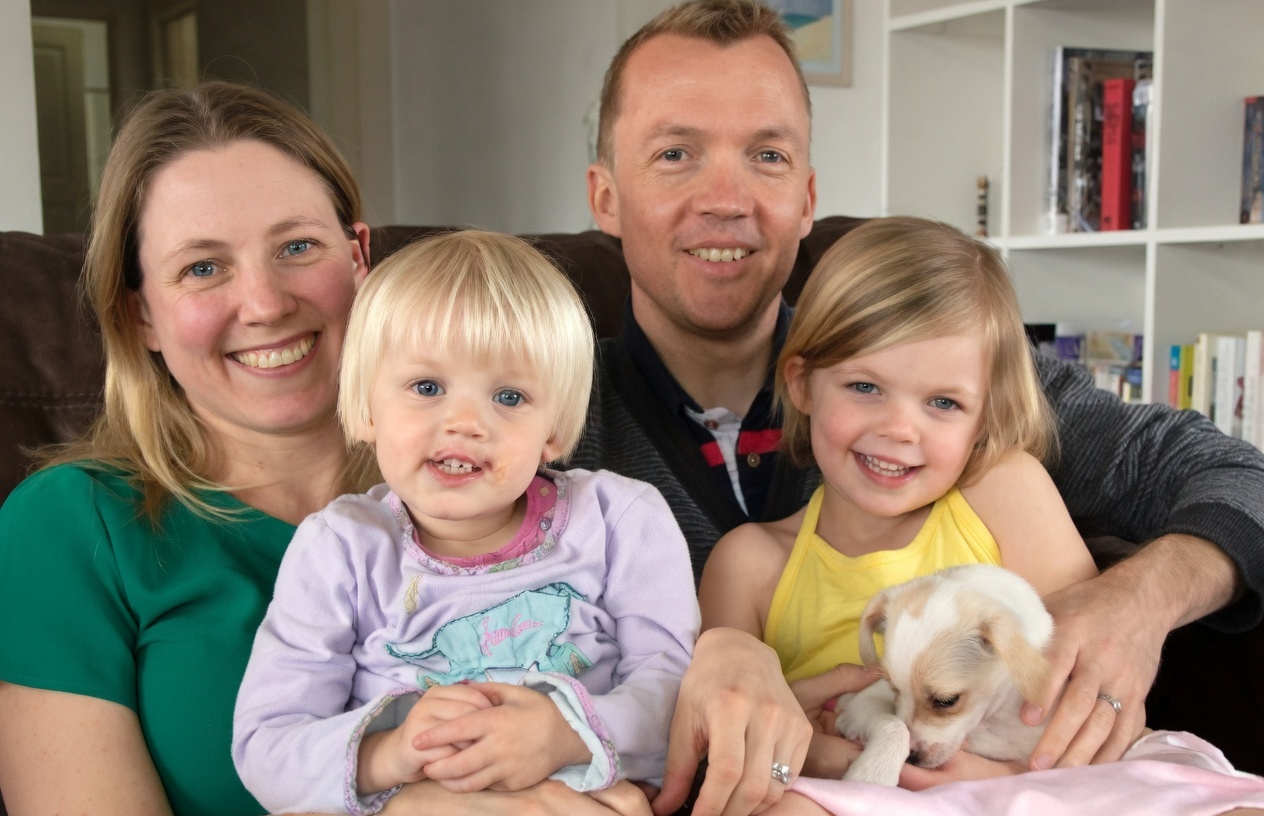
Illustration: GlobalWireNews Editorial
When Rachel went on maternity leave from her HR coordinator role in Bristol, she expected a year of disrupted sleep and daytime naps. What she didn't anticipate was building, during the night feeds and nap windows of her daughter's first months, a YouTube channel that would be generating £3,000 a month before she'd told a single person it existed. She waited until she was certain it was real. That decision, and the conversation it eventually prompted with her partner, turned out to be as important as the channel itself.
The Starting Point: Night Feeds and a Rabbit Hole
"Everyone tells you to sleep when the baby sleeps, and I tried," Rachel says. "But I was too wired. So I'd end up on my phone at two in the morning watching random YouTube content." It was during one of those sessions that she stumbled across a documentary-style channel with over two million subscribers. No presenter. No talking head. Narrated by a voice she gradually realised was AI-generated, with visuals assembled from stock footage and AI-created images.
"I spent about a week just researching how these channels work," she recalls. "And I realised: the barrier to entry is much lower than I thought. You don't need equipment. You don't need to be on camera. You need a good niche, consistency, and the right tools."
Rachel had a background in HR rather than media or technology. But she had spent years producing internal communications documents and presentations — work that, she says, gave her an instinct for how to structure information for an audience. "The skills transferred more than I expected."
The Decision to Learn Properly
Rather than diving in immediately, Rachel spent six weeks learning. She enrolled in an online course covering AI scriptwriting, text-to-speech voice synthesis, AI image and video generation, video editing fundamentals, and YouTube channel strategy. She treated the nap hours as working hours — setting up a dedicated folder on her laptop, following the course systematically, and taking notes.
"I'd done online learning before for HR qualifications, so I knew the discipline required," she says. "The difference was that this time I was learning something that felt genuinely exciting rather than obligatory."
Want to learn the tools Rachel used?
The skills Rachel built — AI scriptwriting, voice synthesis, YouTube strategy — are all teachable with the right structured learning. Skillshare offers hundreds of courses on AI content creation, YouTube channel building, video production, and digital marketing, taught by working creators. New members can typically access a free trial to explore the catalogue before committing.
Explore AI content creation courses on Skillshare →Building the Channel: Six Months of Consistent Publishing
Rachel chose a niche she knew would have sustained demand: personal finance explained simply for a British audience — budgeting, ISAs, pension basics, cost-of-living strategies. "There's a huge appetite for this content and most of it is either too American, too jargon-heavy, or aimed at people who already know what they're doing," she says. "I wanted to make it accessible for someone who genuinely doesn't know where to start."
Her production workflow took approximately seven to eight hours per video — the majority spent on research and scriptwriting, with AI tools handling the voice, image generation, and much of the technical assembly. She published twice a week during maternity leave, treating it as part-time work with a flexible schedule shaped around her daughter's routine.
The early numbers were modest. Her first video received 240 views. By month three, the channel had reached the 1,000-subscriber threshold required to apply for YouTube's Partner Programme monetisation. By month five, monthly ad revenue had reached £1,400. By month seven, combining ad revenue with two brand partnerships she had proactively secured, the monthly income had reached £3,100.
Why She Waited to Tell Anyone
"I'd seen too many people announce things online before they'd proved they worked," Rachel explains. "And I'd done it myself — got excited about a side project, told people about it, and then it fizzled. I didn't want to do that again, especially not with my partner." Her husband, Tom, knew she was busy on her laptop during nap times but assumed she was doing admin or keeping her professional skills up to date. She didn't correct that assumption.
"I set myself a target: three consecutive months above £2,000 before I said anything. Once I'd hit that, I knew I was dealing with something sustainable rather than a lucky spike." She reached that threshold in month six.
The conversation with Tom was, she says, more layered than she expected. "He wasn't upset about the money. He was a bit taken aback that I'd been running this whole thing in parallel for six months without mentioning it." The discussion that followed was about how they make decisions as a couple, and about why Rachel had felt she needed to prove it to herself before sharing it. "It was actually a really useful conversation for us to have. I don't regret waiting — but I understand now why it landed the way it did."
The Tax and Self-Employment Dimension
Rachel registered as self-employed with HMRC in month five, once it became clear that the income was consistent and likely to continue. YouTube earnings from the Partner Programme are treated as self-employment income for UK tax purposes. Anyone earning above the trading allowance (£1,000 per tax year) from digital content creation is required to register for Self Assessment. Rachel notes that getting a good accountant at this stage was one of the better decisions she made.
After Maternity Leave: The Adjusted Model
When Rachel returned to work part-time at six months (she negotiated a four-day week), she reduced channel output to one video per week. Monthly income fell to approximately £1,700–£2,000. "I made peace with that," she says. "It's still a meaningful contribution to the household, and I know it can scale again if I want it to." She has since been approached by two financial services companies about ongoing brand partnership arrangements, which she is assessing carefully. "I only want to work with things I'd actually recommend. That's the only way the channel keeps working long-term."
A Broader Trend in British Maternity Leave
Rachel's experience is unusual in its specifics but reflects a broader trend that Office for National Statistics data is beginning to capture. The number of UK adults deriving regular income from digital content creation has grown substantially since 2022. The availability of AI production tools has reduced the technical barrier to entry for video content significantly — making it accessible to people who, like Rachel, have communication skills and domain knowledge but no background in video or technology production.
This does not mean the path is easy or guaranteed. Most YouTube channels do not reach monetisation threshold. Income is variable and platform-dependent. But the structural change in what is technically possible for a non-specialist with a laptop and a few hours per week is real, and the data suggests a growing number of people in Britain are finding ways to make it work.
Editorial Notice
The name of the subject in this article has been changed at her request. Income figures are as provided by the subject and have not been independently verified. Digital content creation income varies significantly depending on niche, consistency, and many other factors. This article does not imply or guarantee similar results for other individuals. For tax and self-employment questions, consult a qualified accountant or HMRC guidance.